Marine resin is a special type of material that gets used often in the construction and repair of boats. It is a type of hard plastic that hardens significantly when it is dry. Workers on boats like marine resin for the way it binds to a variety of surfaces and holds up to wet, salty conditions. At Fangxin, we understand the value of good marine resin when it comes to protecting boats and making sure they last. A boat is small or big, but the right marine resin makes certain that it remains strong despite rough waters and extreme heat from the sun. This concrete is not just used on the outside of boats but also the inside, where parts must be joined firmly and protected against water. Using marine resin is a way of adding armor to the boat so that it has protection against things like water and weather that can do considerable damage. When we make our marine resin, we think in terms of how it’s going to be used in the real world so that when it comes time to put your part to work, it’s strong and ready for whatever kinds of challenges boats encounter on a day-to-day basis.
What Makes Marine Resin Essential for Durable Boat Repair? Repairing boats is hard since saltwater, sun, and waves quickly wear down a wide variety of materials. However, marine resin is necessary because it can better withstand these difficult situations than the majority of multicomponent glues or paints. Whenever a boat develops a crack or hole, repairing it with marine resin implies that the fixture will last a long time – occasionally many years. Consider if a fishing vessel strikes a rock and develops a crack: a good marine resin modeled and hardened into the fissure will harden to such an extent that the hull will be capable to continue sailing without many issues. At Fangxin, we dealt with many instances wherever a tough, quick fix was needed, and marine resin came to save us. Second, a marine resin dries fast but remains adhesive long enough for molding or formation to mold the repair properly via curing. Because particular fixes need particular, careful work for the resin to match into damage, this is important. Furthermore, completely different marine resin is resistant to chemicals like oil or fuel, which most watercraft has around them. Third, folks forget that repairs occur in moist regions, and many supplies rapidly degrade once wet. A marine resin can last and retain its strength even though it was soaked underwater. Finally, during heat or cold modifications, many materials grow weak and crack. However, Fangxin’s marine resin remains solid and properly fixed an area. Consequently, repair people remark that their boats are stronger after the repair rather than more robust in any event. Indeed, transportation saves a considerable amount of time since repairs are not needed. Boats require marine resin to protect their tops, floors, and, frequently, areas of the submerged areas were they design. Because without our particularly tuned resin only that subsistence occurs too quickly. However, even very intricate fixes become simple to do and firm after getting this specialty filler.
Building a yacht is a sensitive occupation. It wants materials that are strong, light and long-lasting. Marine resin is the perfect match for this application. At Fangxin, we find that there are many advantages to using marine resin for the production of yachts, which are frequently more expensive and in need of being perfect. For one, marine resin is used to mold the yacht’s body by adhering layers of fiberglass. Fiberglass alone can be strong, though it requires resin to hold everything together firmly. That combination allows the yacht to be light enough to move quickly on water and tough enough to withstand damage from waves. Builders appreciate marine resin’s ability to be poured or brushed on molds that give shape to the yacht, which makes the production process easier. And marine resin also cures, or dries, to a shiny and smooth finish. This finish is particularly nice because, at sea, yachts look nicer running in higher water. Also, marine resin protects yachts layers from water damage. Boats experience pressure from water that is trying to get inside, meanwhile marine resin will prevent it. This in turn translates to yachts that remain dry inside and do not become fragile or moldy over time. At Fangxin, we have seen that marine resin also lightens the weight of the yachts as not using metal parts would make it lighter and leads to speed and fuel efficiency. Any weight reduction makes the yacht travel more easily, requiring less power muscle. Marine resin can also be combined with special additives so that after it hardens the yacht’s surface is impervious to scratches and UV light, which can make colors fade and materials deteriorate. This is how yachts are able to hold on to their fresh appearance for longer. Another thing is that marine resin flexibility can accommodate minor movements and shocks without cracking. Yachts experience a lot of stress when under sail and having this flexibility contributes to their safety as well as comfort. With Fangxin marine resin, yacht builders have a proven product with maximum strength and protection – an investment that owners can feel good about and enjoy for years to come. In addition, for specialized yacht finishing, some builders prefer using Alkyd Resin For Finish to enhance surface durability and gloss.
Marine resin is a unique type of material that’s used to protect boats, ships and anything else near, in or on water. One of the top reasons people use marine resin is because it helps to prevent water. This is called waterproofing. Waterproof means that water can’t easily get inside something. For boats this is crucial, as water can ultimately damage or weaken the boat to the point it sinks. Marine resin is like a tough armor. This hard, smooth surface layer stops water from passing through when it is applied to the side of a boat. It is an aid in keeping the boat safe and of durability, although it is exposed to water on a daily basis.
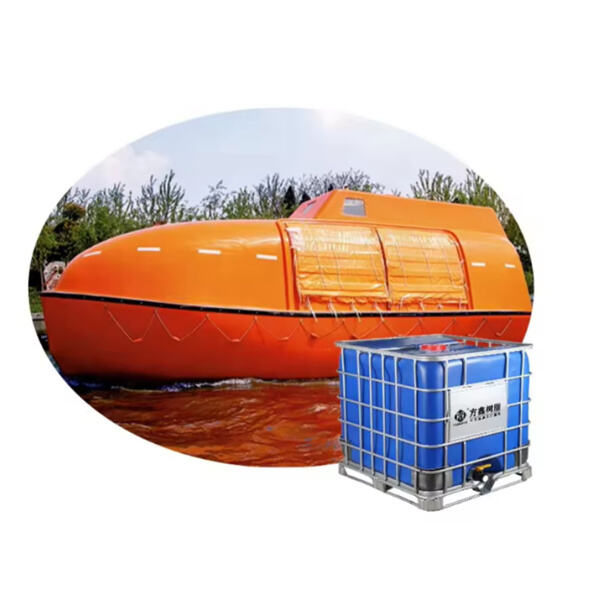
In addition to serving as a barrier for water, marine resin also acts to guard against UV rays from the sun which can damage many things over time and that is if what has been damaged by it breaks first. When left outside in the sun, boat paint and materials can become washed out or weak from the sun’s harmful rays. These damaging rays are either blocked or absorbed by marine resin which contains specific matter to help prevent their negative effects. This means the surface remains shiny and hard for longer. And the resin serves as a sort of sunscreen for the boat, preventing the sun from doing excessive damage. This is also why boat-makers and boat-owners alike love marine-grade resin.
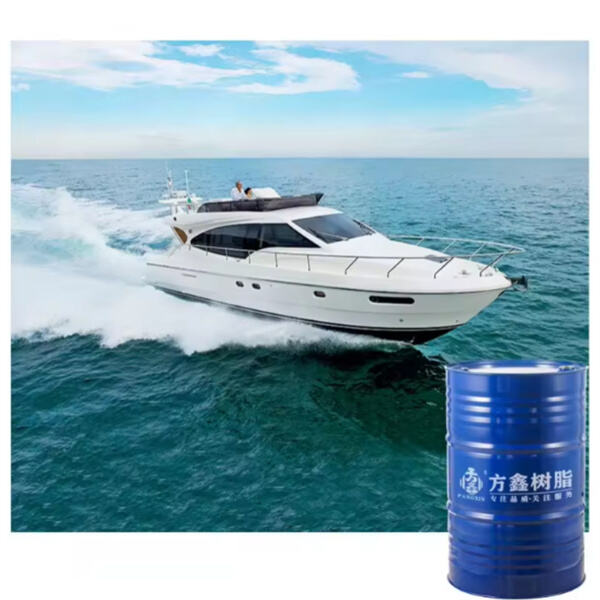
At Fangxin we ensure that our marine resin is crafted from high-quality materials to offer superior waterproofing and UV protection. We take pride in testing our resin so it can hold up to the harshest weather a boat will ever see. When you choose Fangxin marine resin, your boat will be protected from the damage caused by water and sun and will look great for years to come. That’s what makes Fangxin marine resin an intelligent choice for people who want their boat to remain strong and good looking.
Marine resin certainly helps, “but what happens with some people is that they come unstuck trying to put it on.” Knowing these typical areas of confusion can help you sidestep mistakes and achieve the best possible results. Probably one of the most common issues is that you did not clean the surface properly before adding resin. The resin will not adhere well if there is dirt, oil or the old paint on the surface. This may result in the resin peeling or cracking over time. To prevent it, remember to meticulously clean the surface of a boat. Clean everything with soap and water, plus a special cleaner if necessary, to make sure it’s all dry. Apply the resin. For easier application and better control, many professionals recommend Hand Lay-up Resin techniques when working on complex repairs.
For more than 30 years, we've been focusing the research, development, production and sale unsaturated and uncolored resins, vinyl ester resins, alkyd resins acrylic resins, waterborne resins colored, color pastes and products, with almost 1,000.Since more 30 years ago, Fangxin have been marine resin on research and development in the production and sale of unsaturated and unrefined resins, vinyl ester resins, alkyd resins, acrylic resins, water-based resins color pastes, color gel coats, other products, we have more than a thousand products.
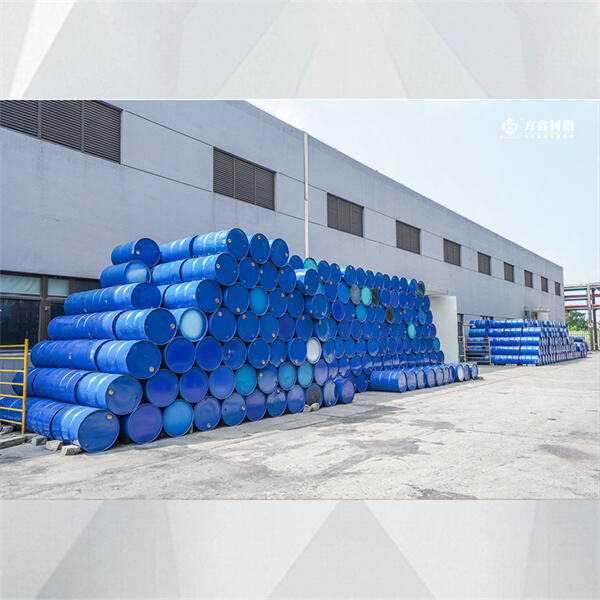
The company marine resin in 1992 and has three production facilities of a large scale over 100 resin manufacturing lines, an annual production capacity of 800,000 tons and fixed assets worth more 800 million Yuan. Its total area of land covers 250,000 square meters.The company was founded in 1992, a registered capital of 350 million yuan as well as fixed assets that exceed 800 million yuan. The company covers an area 250,000 square meters and has three major production bases. The company also over 100 resin lines. In addition, its annual production capacity is 800,000 tones.
Our focus is on improving the caliber variety of our resin products, meeting the diverse needs of our marine resin providing solutions that are tailored to the needs of our customers. Apart from other relevant services, we help our clients with product consultancy, sample delivery, order tracking, product testing, and application of documents for shipping sea and land.Our clients who are happy include clients from Mexico, Kenya Tanzania, United Arab Emirates, Russia and other regions.We're committed to offering our customers with customized solutions enhancing the quality of the resin products. We provide our customers with products consultation in the form of product delivery, monitoring orders, testing of products and document processing, land and ocean transportation as well as other. We have established a long-term relationship with our clients across the globe, including Russia, UAE Kenya, Tanzania Mexico many more.
With a highly experienced research development team, a state-of-the-art R and D center, a number of patents, over a hundred industry accreditations, national certificates, and an active part in the development many resin industry standards, company can offer its customers one-stop, and the ability to customize their product.We have qualified technical R and D team. Our team is backed by a state-of-the-art R and D center. Fangxin has already earned dozens of patents, more than 100 industry certifications, as well national awards for certification. We have also been marine resin in the development of various resin industry standards. We are confident in our ability to provide the ultimate customization, and single shop for our customers.

Copyright © Nantong Fangxin Chemical Co., Ltd. All Rights Reserved | Privacy Policy | Blog
 EN
EN
 AR
AR
 BG
BG
 HR
HR
 CS
CS
 DA
DA
 NL
NL
 FI
FI
 FR
FR
 DE
DE
 EL
EL
 HI
HI
 IT
IT
 JA
JA
 KO
KO
 PL
PL
 PT
PT
 RO
RO
 RU
RU
 ES
ES
 SV
SV
 CA
CA
 TL
TL
 ID
ID
 LV
LV
 SR
SR
 VI
VI
 GL
GL
 TH
TH
 TR
TR
 AF
AF
 MS
MS
 GA
GA
 AZ
AZ
 BN
BN
 LA
LA
 MN
MN
 NE
NE
 KK
KK
 UZ
UZ