 EN
 AR
 BG
 HR
 CS
 DA
 NL
 FI
 FR
 DE
 EL
 HI
 IT
 JA
 KO
 PL
 PT
 RO
 RU
 ES
 SV
 CA
 TL
 ID
 LV
 SR
 VI
 GL
 TH
 TR
 AF
 MS
 GA
 AZ
 BN
 LA
 MN
 NE
 KK
 UZ


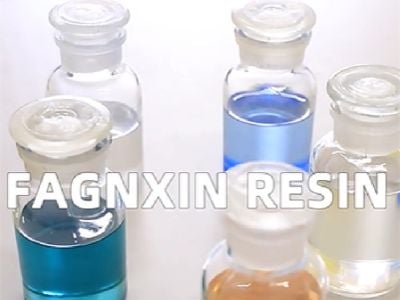
Optimizing the cure cycle of fiberglass resin and hardener is crucial for achieving consistent layup production in various applications, from shipbuilding to wind energy. Buyers often face challenges in sourcing reliable materials that meet their specific project requirements while ensuring cost-effectiveness and production efficiency. This article will provide insights into optimizing the cure cycle, helping purchasing managers, engineers, and project managers make informed decisions when selecting Fiberglass resin and hardeners.
Where to Source Reliable Fiberglass Resin and Hardener Suppliers?
When looking for dependable suppliers of fiberglass resin and hardener, consider manufacturers with a proven track record in the industry. Look for companies that have been in the market for several years, as they are likely to have established quality control processes and a reliable supply chain. Fangxin Resin, for example, has over 30 years of experience in manufacturing high-quality resins and has earned ISO certifications, which can provide buyers with confidence in the product quality.
Additionally, review supplier portfolios to ensure they offer a range of products and customization options. It's beneficial to choose suppliers that can provide technical support and have experience in your specific application area, whether it be railways, wind power, or shipbuilding. Conducting thorough background checks, requesting samples, and asking for references can also help in identifying trustworthy suppliers.
Cost Factors to Consider When Ordering Fiberglass Resins in Bulk
Cost is a significant factor when ordering fiberglass resins and hardeners in bulk. Various elements contribute to the overall price, including raw material costs, production processes, and shipping expenses. Understanding these factors can help buyers negotiate better deals and manage budgets effectively.
Material Costs: Prices can fluctuate based on the type of resin, such as unsaturated polyester or vinyl esters. Buyers should evaluate market trends and consider long-term contracts if prices are favorable.
Production and Quality Control: Advanced manufacturing techniques, such as DCS automatic control used by reputable manufacturers, may lead to higher upfront costs but can improve end-product consistency and reduce waste in the long term.
Shipping and Packaging: Bulk orders often come with varying shipping costs based on distance, weight, and packaging requirements. Ensure that the supplier provides clear information on delivery timelines and any additional fees.
Lead Time: Longer lead times can lead to increased costs due to project delays. Buyers should inquire about production capacity and timelines before placing orders to align with project schedules.
By assessing these factors, purchasing managers can better understand the total cost of ownership and make informed decisions.
Installation Guidance for Fiberglass Resin and Hardener Applications
Proper installation of fiberglass resin and hardener is critical for achieving optimal performance in final applications. Buyers should consider several key aspects during the installation phase.
Environmental Conditions: Temperature and humidity significantly affect the curing process. Ensure that the installation area is controlled for optimal conditions, typically around 20-25°C (68-77°F) with low humidity.
Mixing Ratios: Follow the manufacturer’s specifications for mixing resin and hardener. Deviating from recommended ratios can lead to incomplete curing, affecting the strength and durability of the final product.
Curing Time: Allow sufficient time for the resin to cure completely before subjecting the material to stress. The cure cycle may vary based on the specific formulation and environmental conditions, so it is advisable to conduct preliminary tests.
Surface Preparation: Ensure that surfaces are clean and properly prepared to promote adhesion. Contaminants or moisture on the substrate can lead to delamination or weak bonds.
By adhering to these guidelines, buyers can ensure a successful installation that maximizes the performance of rolling fiberglass resin and hardener.
Comparing Fiberglass Resin Options for Consistent Layup Production
When comparing fiberglass resin options, it is essential to evaluate their properties to ensure consistent layup production. Key factors to consider include:
Viscosity: The viscosity of the resin affects its flow and penetration during layup. Lower viscosity resins are easier to work with but may require additional hardeners to achieve desired cure times.
Curing Characteristics: Different resin formulations have varying cure times and temperatures. Choose a resin that aligns with your production schedule and project requirements.
Mechanical Properties: Assess the tensile strength, flexural strength, and impact resistance of the resin. These properties determine how well the final product will perform under operational stresses.
Compatibility with Reinforcements: Ensure that the resin is compatible with the reinforcement materials being used, such as fiberglass cloth or mat. This compatibility can greatly influence the final product's performance.
Environmental Resistance: Depending on the application, consider resins with specific resistance to chemicals, moisture, and UV exposure. This is particularly vital for outdoor applications in industries like wind power.
By carefully evaluating these attributes, buyers can select the most suitable fiberglass resin and hardener for their layup production, ensuring both quality and consistency.
Understanding the Benefits of Advanced Resin Formulations for Projects
Advanced resin formulations can significantly enhance project outcomes by offering tailored properties for specific applications. Some key benefits include:
Improved Cure Times: Many advanced formulations are designed to cure faster, which can help streamline production schedules and reduce downtime.
Enhanced Strength and Durability: Innovations in resin chemistry can lead to stronger, more durable products that withstand environmental stresses better than traditional resins.
Customization Options: Leading manufacturers, like Fangxin Resin, often provide customized resin solutions to meet unique project requirements. This flexibility can help buyers achieve specific performance targets.
Sustainability: Many modern resin formulations focus on sustainability, utilizing bio-based materials or reduced VOC emissions. This can be a significant consideration for companies looking to reduce their environmental impact.
Better Adhesion and Compatibility: Advanced resins may offer enhanced adhesion properties, allowing for better integration with various reinforcement materials and substrates.
By leveraging these benefits, buyers can optimize their projects for performance, longevity, and environmental responsibility, leading to better overall outcomes.
Table of Contents
- Where to Source Reliable Fiberglass Resin and Hardener Suppliers?
- Cost Factors to Consider When Ordering Fiberglass Resins in Bulk
- Installation Guidance for Fiberglass Resin and Hardener Applications
- Comparing Fiberglass Resin Options for Consistent Layup Production
- Understanding the Benefits of Advanced Resin Formulations for Projects


