 EN
 AR
 BG
 HR
 CS
 DA
 NL
 FI
 FR
 DE
 EL
 HI
 IT
 JA
 KO
 PL
 PT
 RO
 RU
 ES
 SV
 CA
 TL
 ID
 LV
 SR
 VI
 GL
 TH
 TR
 AF
 MS
 GA
 AZ
 BN
 LA
 MN
 NE
 KK
 UZ


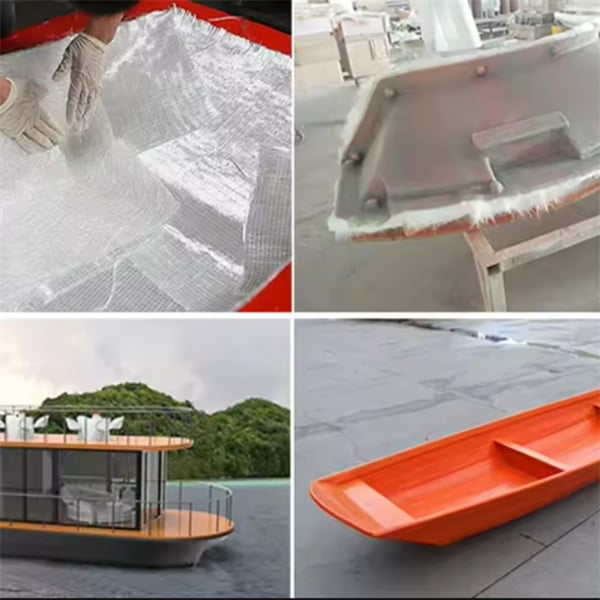
Marine fiberglass resin technology is transforming the boat manufacturing industry by enabling the production of lighter and stronger boat hulls. This innovation not only enhances performance but also addresses key concerns for purchasing managers and engineers regarding durability, cost, and installation. We will explore how marine fiberglass resins improve boat hull longevity and weight, discuss important cost factors to consider when purchasing these materials, provide installation guidance, highlight common issues with boat hulls, and examine the applications of marine fiberglass resins in modern boat manufacturing.
How Marine Fiberglass Resin Enhances Boat Hull Durability and Weight
Marine fiberglass resins, particularly unsaturated polyester resin and vinyl resins, are essential materials in boat hull construction. These resins are recognized for their high strength-to-weight ratio, which allows manufacturers to create hulls that are both lightweight and robust. The introduction of advanced resin formulations has made it possible to achieve superior mechanical properties, such as impact resistance and tensile strength, which are crucial for withstanding the harsh marine environment.
Manufacturers like Fangxin Resin leverage over 30 years of experience and advanced DCS automatic control technologies to ensure consistent quality and performance in their resin products. The right selection of resin can significantly enhance the longevity of boat hulls, reducing maintenance costs and increasing the overall lifespan of the vessel. Engineers should consider the specific requirements of their applications, such as load-bearing capacity and environmental exposure, when selecting the appropriate resin type to ensure optimal performance.
Cost Factors to Consider When Purchasing Marine Fiberglass Resins
When evaluating marine fiberglass resins, purchasing managers should be aware of several cost factors that can impact the total expenditure. These include the type of resin, production processes, and customization requirements. Unsaturated polyester resins are generally more cost-effective than vinyl resins, but they may not offer the same level of durability and chemical resistance, which could lead to higher long-term costs.
Additionally, the scale of production plays a critical role in determining unit costs. Larger orders may qualify for bulk pricing, while smaller orders might incur higher per-unit costs. Buyers should also consider the costs associated with shipping and storage, especially if the resins require specific handling conditions to maintain their quality.
Another consideration is the potential need for custom formulations to meet specific performance criteria. Customization can influence lead times and pricing, so it’s important for buyers to communicate their precise requirements upfront to avoid unexpected costs down the line.
Installation Guidance for Marine Fiberglass Resins in Boat Hulls
Proper installation of marine fiberglass resin is crucial for ensuring the integrity and performance of boat hulls. Before beginning the installation process, it is recommended that manufacturers conduct thorough surface preparation, including cleaning and sanding, to promote optimal adhesion. The resin should be mixed according to the manufacturer's specifications, paying close attention to the recommended ratios of resin to hardener.
During application, it is essential to monitor environmental conditions such as temperature and humidity, as these factors can affect curing times and overall performance. A controlled environment is ideal for achieving consistent results. After application, the hull should be allowed to cure fully before exposure to water, as premature immersion can compromise the resin's properties.
Buyers should also consider conducting tests on a sample piece to verify the suitability of the resin for their specific application. This step helps ensure that the installation process will yield the desired results in terms of strength, flexibility, and resistance to environmental factors.
Common Problems with Boat Hulls and How Marine Resins Solve Them
Boat hulls are subject to a variety of issues that can compromise their performance and safety. Common problems include water intrusion, osmosis, and delamination, all of which can lead to costly repairs and downtime. Marine fiberglass resins help mitigate these issues by providing a robust barrier against moisture and environmental elements.
For instance, high-quality vinyl esters and modified resins offer excellent resistance to water absorption, significantly reducing the risk of osmosis. Additionally, the use of advanced resin technologies can prevent delamination by ensuring better bonding between layers during the lamination process.
When selecting marine fiberglass resins, it is advisable for buyers to inquire about the specific properties that address these common issues. Understanding the limitations and advantages of different resin formulations can help manufacturers choose the best solution for their hull designs.
Applications of Marine Fiberglass Resins in Modern Boat Manufacturing
Marine fiberglass resins are widely used across various segments of the boat manufacturing industry, from recreational vessels to commercial shipping. The versatility of these materials allows for their application in different components, including hulls, decks, and interior structures.
In recent years, there has been a growing trend towards using composite materials that combine fiberglass resins with other reinforcements, such as carbon fiber or aramid fibers, to enhance performance characteristics further. This hybrid approach can provide improved strength, reduced weight, and enhanced aesthetic appeal.
Manufacturers should consider the specific requirements of their projects when selecting marine fiberglass resin. Factors such as expected load, environmental conditions, and desired aesthetic finish play a critical role in determining the appropriate resin formulation. Engaging with a reputable supplier like Fangxin Resin can ensure access to the latest advancements in resin technology and support successful boat manufacturing initiatives.
By understanding the capabilities of marine fiberglass resin technology and its applications, purchasing managers and engineers can make informed decisions that align with their operational needs while enhancing the performance and durability of their boat hulls.
Table of Contents
- How Marine Fiberglass Resin Enhances Boat Hull Durability and Weight
- Cost Factors to Consider When Purchasing Marine Fiberglass Resins
- Installation Guidance for Marine Fiberglass Resins in Boat Hulls
- Common Problems with Boat Hulls and How Marine Resins Solve Them
- Applications of Marine Fiberglass Resins in Modern Boat Manufacturing


