 EN
EN
 AR
AR
 BG
BG
 HR
HR
 CS
CS
 DA
DA
 NL
NL
 FI
FI
 FR
FR
 DE
DE
 EL
EL
 HI
HI
 IT
IT
 JA
JA
 KO
KO
 PL
PL
 PT
PT
 RO
RO
 RU
RU
 ES
ES
 SV
SV
 CA
CA
 TL
TL
 ID
ID
 LV
LV
 SR
SR
 VI
VI
 GL
GL
 TH
TH
 TR
TR
 AF
AF
 MS
MS
 GA
GA
 AZ
AZ
 BN
BN
 LA
LA
 MN
MN
 NE
NE
 KK
KK
 UZ
UZ


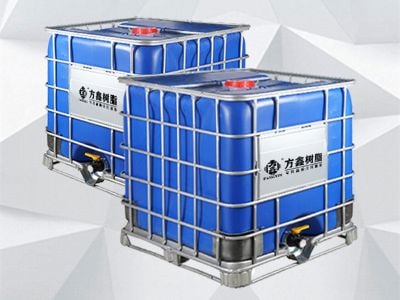
Acrylic resin is a popular material used in buildings and designs. It is chosen for its clear look and strength. However, when it’s exposed to sunlight over time, it can lose its color and become less stable. This is why companies like Fangxin focus on making acrylic resin that stays bright and strong even in the sun. Enhancing UV stability and color retention in architectural Acrylic resin coating is important. By improving these features, the material lasts longer and looks better, making it a great choice for architects and designers.
Key Specifications for Architectural Acrylic Resin
When looking at architectural acrylic resin, there are some important specifications to keep in mind. First, UV stability is key. This means the resin should resist changes when exposed to sunlight. If it has high UV stability, it won’t fade or change color easily. This is important for buildings that are outside. Another specification is impact resistance. This tells us how well the resin can handle bumps, knocks, and other forces. A good acrylic resin should not crack or break when something hits it. The thickness of the resin also matters. Thicker resin can offer better protection against the sun and physical damage.
Transparency is another specification that shouldn’t be overlooked. Many people choose acrylic resin because it can be very clear. Good transparency lets in light and shows off colors well. Finally, we should talk about the ease of cleaning. If the resin can be cleaned easily, it will look good for a long time. Many Amino acrylic resin can be cleaned with just soap and water. Fangxin makes sure to meet all these specifications, so their acrylic resin is a top choice for many projects.
How to Choose the Right Architectural Acrylic Resin for Your Project
Choosing the right acrylic resin for your project can feel overwhelming, but it doesn’t have to be. Start by thinking about where the resin will be used. If it will be outside, make sure it has high UV stability. This helps keep colors bright and prevents damage from sunlight. Next, consider the look you want. Do you want a clear finish, or do you prefer a color? Different resins can give different effects. If you want something strong, look for resins with high impact resistance. This is especially important in places where the resin might get bumped or scratched.
Another tip is to check how thick the resin is. Thicker resins are usually more durable, but also heavier. You’ll want to balance durability with weight, depending on your design. Don't forget to think about maintenance. Some resins are easier to clean than others. If you want something that stays nice with little work, Fangxin’s Pu acrylic resin could be a great fit. Lastly, always ask for samples. Before making a big choice, getting a small piece to test can help you see how it looks and feels in real life. This way, you can be sure you are making the right choice for your project.
Installation Guidance for UV-Stable Architectural Acrylic Resin Solutions
When using UV-stable architectural acrylic resin, it is important to install it correctly to make sure it lasts a long time. First, you need to prepare the area where you will be applying the resin. This means cleaning the surface well to remove any dirt, dust, or old paint. A clean surface helps the resin stick better. Next, you should check the weather. It is best to install the resin on a dry day, as moisture can affect how well it adheres. If it is too hot or too cold, the resin may not cure properly, so try to pick a day that is just right.
After preparing the area, you can mix the resin. Fangxin offers clear instructions on how to mix their UV-stable acrylic resin. Make sure you follow these instructions carefully. Mixing it well ensures that it has the right consistency and strength. Once mixed, you can start applying the resin. Use a brush or roller to spread it evenly over the surface. It is important to work quickly because some resins can start to harden after a while.
As you apply the resin, be careful to avoid bubbles. Bubbles can weaken the resin and lead to problems later on. If you see any bubbles, you can gently push them out with a brush. After applying the resin, allow it to cure according to the instructions provided by Fangxin. Curing time may vary, but it is important to let it dry completely before using the surface. This will ensure that the resin is strong and will protect against UV rays.
Finally, check the finished surface for any imperfections. If you see any small spots or rough areas, you can sand them down gently once the resin is fully cured. This will give you a smooth, beautiful finish. By following these steps, you can successfully install UV-stable architectural acrylic resin and enjoy its benefits for years to come.
Common Problems with Color Fading and Their Solutions in Acrylic Resins
Color fading is a common problem with acrylic resins. When exposed to sunlight, many resins can lose their bright colors and become dull. This happens because UV rays from the sun can break down the pigments in the resin. To prevent this, it is important to choose high-quality products. Fangxin's UV-stable acrylic resins are designed to resist color fading. They contain special additives that help protect the color from the sun's harmful rays.
If you notice that your acrylic resin has started to fade, there are a few things you can do. First, try to move the item out of direct sunlight if possible. Keeping the resin in a shaded area can help slow down the fading process. Another option is to apply a UV-resistant clear coat over the resin. This clear coat adds an extra layer of protection against UV rays and can help maintain the color for a longer time.
Regular maintenance can also help prevent color fading. Cleaning the surface gently with mild soap and water can remove dirt and grime that might make fading worse. Avoid using harsh chemicals or scrubbing too hard, as this can damage the resin. You should also check for any cracks or chips in the resin. If you find any, repair them quickly to prevent moisture from seeping in and causing more damage.
In some cases, if the color has faded significantly, you may need to consider reapplying the resin. If you choose to do this, make sure to follow the installation guidance carefully to ensure the best results. By being proactive and taking good care of your acrylic resin products, you can keep them looking vibrant and beautiful for many years.
UV Stability in Architectural Acrylic Resin Manufacturing
When making architectural acrylic resin, UV stability is a key factor to consider. UV rays can cause damage to the resin, making it weaker and less colorful over time. Manufacturers like Fangxin focus on creating resins that can resist this damage. They add special ingredients during the manufacturing process that help protect the resin from UV rays. This way, the resin can maintain its strength and color, even when exposed to the sun for long periods.
The process of making UV-stable acrylic resin starts with selecting the right materials. High-quality raw materials are important because they can affect how well the resin performs. Once the materials are chosen, they are mixed together in a special way to create the resin. During this mixing process, manufacturers add UV stabilizers. These stabilizers are like tiny shields that protect the resin from sunlight. They help keep the color bright and the resin strong.
After the resin is made, it goes through testing to ensure it meets quality standards. This testing checks how well the resin can resist UV rays and how long it lasts. Manufacturers want to make sure that their products are reliable and will perform well for customers. If the resin passes these tests, it is ready to be sold.
Fangxin is committed to producing high-quality UV-stable architectural acrylic resin. Their focus on UV stability means that customers can trust their products to last longer and stay beautiful. By investing in UV-stable materials, manufacturers help protect buildings and structures from the harmful effects of the sun. This is especially important in places with a lot of sunlight. With the right manufacturing techniques, UV stability in acrylic resin can be achieved, bringing long-lasting benefits to architects, builders, and homeowners alike.
Table of Contents
- Key Specifications for Architectural Acrylic Resin
- How to Choose the Right Architectural Acrylic Resin for Your Project
- Installation Guidance for UV-Stable Architectural Acrylic Resin Solutions
- Common Problems with Color Fading and Their Solutions in Acrylic Resins
- UV Stability in Architectural Acrylic Resin Manufacturing


