 EN
EN
 AR
AR
 BG
BG
 HR
HR
 CS
CS
 DA
DA
 NL
NL
 FI
FI
 FR
FR
 DE
DE
 EL
EL
 HI
HI
 IT
IT
 JA
JA
 KO
KO
 PL
PL
 PT
PT
 RO
RO
 RU
RU
 ES
ES
 SV
SV
 CA
CA
 TL
TL
 ID
ID
 LV
LV
 SR
SR
 VI
VI
 GL
GL
 TH
TH
 TR
TR
 AF
AF
 MS
MS
 GA
GA
 AZ
AZ
 BN
BN
 LA
LA
 MN
MN
 NE
NE
 KK
KK
 UZ
UZ


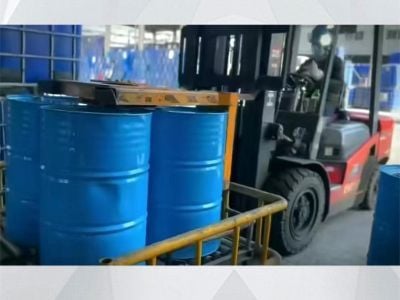
Understanding the nuances of marine fibreglass resin specifications is crucial for both yacht builders and commercial shipyards. The differences often arise from the unique demands of each sector, impacting performance, durability, and application methods. This article explores why marine fibreglass resin specifications differ between these two types of builders, addressing key concerns such as material performance, compliance standards, and sourcing reliable suppliers. By reading this, purchasing managers and product managers will gain insights to make informed decisions when procuring marine fibreglass resin for their specific applications.
Key Differences in Resin Specifications for Shipyard Applications
Marine fibreglass resins are essential in both yacht building and commercial shipyard applications, yet their specifications can differ significantly. Yacht builders often prioritize aesthetics, requiring resins that provide excellent surface finish and color retention. This focus on appearance can lead to the selection of resins with specific additives to enhance UV resistance and gloss.
Conversely, commercial shipyards prioritize mechanical properties and durability. The resins used in these applications often need to withstand harsher environmental conditions, such as higher stress, chemical exposure, and potential impacts. As a result, commercial-grade fibreglass resin sales may feature enhanced tensile strength and resistance to hydrolysis, ensuring they can endure the rigors of marine environments.
Additionally, yacht builders may require a resin that cures quickly to reduce production times, while commercial applications might allow for longer curing times to achieve enhanced performance characteristics. Understanding these distinctions is vital for buyers to select the appropriate resin that meets their specific needs.
Marine Fibreglass Resins for Commercial Use
When it comes to commercial use, marine fibreglass resins must fulfill rigorous performance criteria. Unsaturated polyester and vinyl resins are commonly employed due to their versatility and mechanical properties. Unsaturated polyester resins, for example, are ideal for large-scale applications due to their cost-effectiveness and good balance of performance and durability. They offer excellent adhesion and are suitable for a wide range of substrates.
Vinyl esters, on the other hand, are often preferred for high-performance applications where additional resistance to chemical and thermal degradation is required. They are commonly used in the construction of large vessels, such as cargo ships and ferries, where long-term durability is critical.
Furthermore, commercial shipyards often require resins that comply with international maritime standards. Buyers should verify that the chosen resin meets relevant certifications and standards, which can impact safety and regulatory compliance during production. This attention to specification ensures that the final product can withstand both operational stresses and regulatory scrutiny.
Where to Source Reliable Marine Fibreglass Resin Suppliers
Finding a reliable marine fibreglass resin supplier is crucial for ensuring quality and consistency in your production process. Factors to consider include the supplier's manufacturing capabilities, certifications, and experience in the marine industry. For instance, a supplier with over 30 years of experience, like Fangxin Resin, can provide insights into the specific needs of both yacht builders and commercial shipyards.
Buyers should also consider suppliers that offer customization options. This flexibility allows for the development of tailored solutions that meet specific performance criteria. Requesting samples is a practical approach to evaluate the resin's suitability for your application. Before proceeding with bulk orders, it’s advisable to conduct thorough quality inspections, ensuring that the resin adheres to the required specifications.
Networking within the industry, attending trade shows, and seeking recommendations from peer organizations can also enhance your sourcing efforts. Establishing a relationship with a trustworthy supplier can lead to more efficient procurement processes and better product consistency.
Cost Factors in Purchasing Marine Fibreglass Resins in Bulk
When purchasing marine fibreglass resins in bulk, several cost factors come into play. One of the most significant determinants is the type of resin chosen. Unsaturated polyester resins are generally more affordable than vinyl esters, yet the latter may be necessary for specific high-performance applications, thus impacting your budget.
Additionally, purchase volumes can influence pricing. Suppliers often provide tiered pricing, where larger orders result in reduced per-unit costs. This pricing strategy encourages bulk purchases and can lead to significant savings over time, especially for commercial shipyards with ongoing production needs.
Shipping costs should also be taken into account. Depending on your location and the supplier's shipping policies, transportation can add a considerable expense. Buyers should evaluate potential suppliers based on their logistics capabilities to minimize costs. Furthermore, consider the lead time when planning orders; longer lead times may require adjustments in production schedules and inventory management.
Installation Guidance for Marine Fibreglass Resin in Shipbuilding
Proper installation of marine fibreglass resin is critical to ensuring the structural integrity and longevity of the finished product. It is essential to follow the manufacturer's guidelines regarding mixing ratios, curing times, and environmental conditions during application. For instance, certain resins may require specific temperatures and humidity levels for optimal curing.
Before mass production, it is advisable to conduct a trial application to identify any potential issues, such as adhesion problems or surface imperfections. During installation, close attention should be paid to the resin application techniques—such as brushing, rolling, or spraying—to ensure even coverage and avoid air entrapment.
Quality control measures should be implemented throughout the installation process. Regular inspections should verify that the resin has cured properly and that there are no defects. Understanding the unique requirements of the marine fibreglass resin china being used will help ensure that the final product meets the necessary performance and safety standards for marine applications.


