 EN
EN
 AR
AR
 BG
BG
 HR
HR
 CS
CS
 DA
DA
 NL
NL
 FI
FI
 FR
FR
 DE
DE
 EL
EL
 HI
HI
 IT
IT
 JA
JA
 KO
KO
 PL
PL
 PT
PT
 RO
RO
 RU
RU
 ES
ES
 SV
SV
 CA
CA
 TL
TL
 ID
ID
 LV
LV
 SR
SR
 VI
VI
 GL
GL
 TH
TH
 TR
TR
 AF
AF
 MS
MS
 GA
GA
 AZ
AZ
 BN
BN
 LA
LA
 MN
MN
 NE
NE
 KK
KK
 UZ
UZ


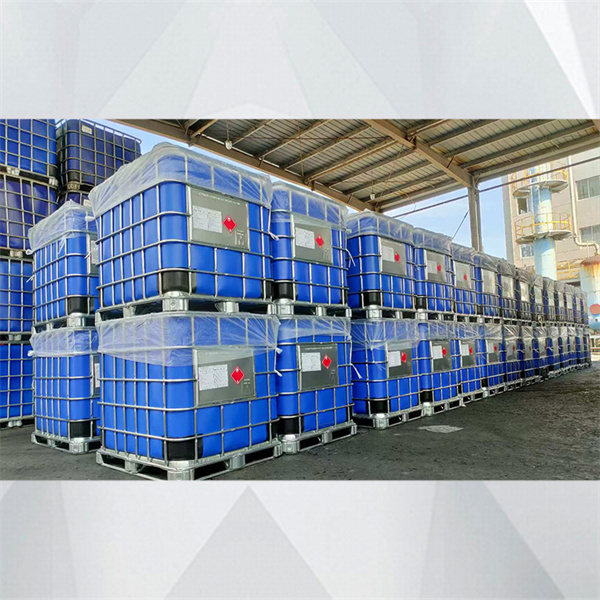
Building a resilient supply chain for polyester resins requires thoughtful strategies that include vertical integration and strategic stockpiling. As a critical component in various industries such as railways, wind power, and shipbuilding, polyester resin's reliability and availability must be prioritized by purchasing managers and engineers. This article aims to provide insights into essential specifications, supplier selection, product solutions, the benefits of vertical integration, and how to evaluate wholesale polyester resin for optimal value.
Key Specifications to Consider
When selecting unsaturated polyester resin, several key specifications are crucial for ensuring the product meets the intended application requirements. Important specifications include:
Viscosity: This affects the resin's flow characteristics and its ability to fill molds. Higher viscosity resins may be difficult to process in some applications, leading to potential defects.
Cure Time: The time it takes for the resin to fully react and harden can impact production schedules. Understanding the cure time helps align with manufacturing processes and project timelines.
Mechanical Properties: Properties such as tensile strength, flexural strength, and impact resistance are vital. These specifications determine how well the resin will perform under stress and environmental conditions.
Thermal Stability: This indicates how well the resin can withstand heat during processing and in its final application. Ensuring that the thermal stability matches the application environment is critical to avoid failures.
Chemical Resistance: The resin must be capable of withstanding exposure to various chemicals relevant to its application. Buyers should consider potential chemical exposures to ensure long-term reliability.
Understanding these specifications allows buyers to ensure that the polyester resin selected will perform effectively in its intended application.
How to Choose Reliable Suppliers for Polyester Resin in Bulk Orders
Choosing the right supplier for polyester resin is essential for securing quality and reliability. Consider the following factors when evaluating suppliers:
Experience and Reputation: Look for suppliers with a proven track record in the industry. A company like Fangxin Resin, with over 30 years of experience, brings valuable expertise and reliability.
Quality Certifications: Suppliers should hold relevant certifications, such as ISO, which demonstrate their commitment to quality management systems. This assures buyers that the products meet or exceed industry standards.
Production Capabilities: Confirm that the supplier has the necessary production capacity and technology to meet your volume requirements. Advanced manufacturing processes, like DCS automatic control, can enhance product consistency and quality.
Customization Options: Assess whether the supplier can accommodate specific formulation or packaging needs. Customization capabilities can be a significant advantage for projects requiring tailored solutions.
Customer Support: A responsive customer support team can facilitate better communication regarding orders, specifications, and any issues that arise during the supply process.
By considering these factors, buyers can select suppliers that align with their quality and service expectations.
Polyester Resin Solutions for Your Projects
Polyester resins are versatile materials used in various applications, including construction, automotive, and marine industries. Depending on the project, buyers can choose from different types of polyester resins:
Unsaturated Polyester Resins: Often used in composite materials, these resins provide excellent mechanical properties and thermal stability. They are ideal for applications requiring strength and durability, like automotive parts and industrial components.
Vinyl Ester Resins: Known for their superior chemical resistance, vinyl ester resins are suitable for applications in corrosive environments, such as chemical storage tanks and marine applications.
Specialty Resins: Tailored formulations can be developed to meet specific application needs, such as low-emission resins for environmentally sensitive areas or resins with enhanced UV resistance for outdoor applications.
When selecting a resin solution, it's essential to evaluate the specific requirements of the project, including performance, environmental conditions, and application methods.
What Are the Advantages of Vertical Integration in Resin Manufacturing?
Vertical integration in resin manufacturing can provide significant benefits, particularly in ensuring a reliable supply chain. Key advantages include:
Quality Control: By controlling the entire production process, manufacturers can maintain strict quality standards at each stage, from raw material sourcing to final product output. This leads to higher consistency and reliability in the final resin products.
Supply Chain Resilience: Vertical integration reduces reliance on external suppliers, minimizing disruptions caused by market fluctuations or supply shortages. This is particularly important in industries like shipbuilding and wind power, where project timelines are critical.
Cost Efficiency: Streamlining the production process can lead to cost savings, which can be passed on to customers. This can enable competitive pricing without compromising quality.
Innovation and Customization: Manufacturers can more readily respond to market demands and innovate new resin formulations. This adaptability can provide a competitive edge in rapidly evolving industries.
Fangxin Resin's commitment to vertical integration ensures that customers benefit from a stable and high-quality supply of polyester resins.
Evaluating Wholesale Polyester Resin for Optimal Value
When purchasing polyester resin material in bulk, it is crucial to evaluate several factors to ensure optimal value:
Pricing Structure: Understand the pricing model, including any volume discounts. A lower unit price may not represent the best overall value if quality or performance is compromised.
Lead Time: Confirm the lead time for orders, especially for large quantities. Ensure that the supplier can meet the project timeline to avoid delays.
Sample Approval Process: Before committing to a bulk order, request samples to verify the resin meets specifications and performance expectations. Testing samples under actual application conditions can highlight potential issues.
Packaging and Shipping: Assess the supplier's packaging methods to ensure they protect the resin during transit. Proper packaging is essential to prevent contamination or damage.
Customer Feedback: Seek testimonials or case studies from other customers to gauge the supplier's reliability and product performance in real-world applications.
By carefully evaluating these factors, buyers can ensure they are making informed decisions when sourcing wholesale polyester resin, ultimately leading to successful project outcomes.


