 EN
 AR
 BG
 HR
 CS
 DA
 NL
 FI
 FR
 DE
 EL
 HI
 IT
 JA
 KO
 PL
 PT
 RO
 RU
 ES
 SV
 CA
 TL
 ID
 LV
 SR
 VI
 GL
 TH
 TR
 AF
 MS
 GA
 AZ
 BN
 LA
 MN
 NE
 KK
 UZ


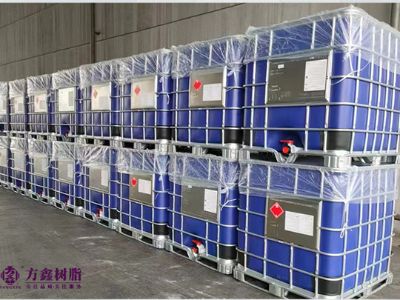
Fiberglass roof resin systems are increasingly recognized for their ability to significantly reduce maintenance costs for industrial facility managers. These systems offer a durable, weather-resistant solution that minimizes the frequency and expense of repairs and replacements. We will explore key specifications to consider, installation guidance, cost advantages, common roofing problems and solutions, and the broader applications of fiberglass roof resin in manufacturing contexts. Understanding these aspects can help facility managers make informed decisions, ultimately leading to more efficient and cost-effective operations.
Key Specifications to Consider
When evaluating fiberglass roof resin systems, several key specifications are essential.
Material Composition: Look for unsaturated polyester or vinyl resins, as these materials provide excellent durability and resistance to environmental factors such as UV rays and moisture. The choice of resin affects not only the longevity of the roofing system but also its performance under varying weather conditions.
Thickness and Weight: The thickness of the resin layer directly impacts its strength and ability to withstand loads. Generally, thicker layers can support higher weights and resist wear and tear more effectively. Buyers should consider the specific load requirements of their facility when selecting resin thickness.
Curing Time: The time required for the resin to cure can influence project timelines. Faster-curing roofing resin may allow for quicker installations, thereby reducing labor costs and minimizing downtime for the facility.
Temperature Resistance: Industrial environments can vary significantly in temperature. Ensure that the selected resin can withstand the maximum and minimum temperatures expected in your facility to prevent failures.
Chemical Resistance: Depending on the manufacturing processes used within the facility, exposure to chemicals might be a concern. Evaluating the chemical resistance of the resin system is critical to ensuring long-term performance.
By thoroughly understanding these specifications, facility managers can select the most suitable fiberglass roof resin system for their operations.
Installation Guidance for Fiberglass Roof Resin Systems in Industrial Use
Proper installation is crucial for maximizing the benefits of fiberglass roof resin systems. Here are key steps to consider:
Surface Preparation: The substrate must be clean, dry, and free of any contaminants that might impede adhesion. This may involve power washing or grinding down existing surfaces to ensure a strong bond.
Application Method: Depending on the scale of the project, resin can be applied using various techniques, including spray, brush, or roller application. For large areas, spray application might be more efficient, while brush application allows for precision in complex geometries.
Layering: Multiple layers of resin may be required to achieve desired thickness and performance characteristics. Each layer should be applied only after the previous layer has adequately cured to ensure proper bonding.
Weather Considerations: Installation should be conducted under appropriate weather conditions. Avoid applying resin during extreme temperatures or in wet conditions to prevent curing issues.
Post-Installation Inspection: After installation, conduct a thorough inspection to check for any inconsistencies or defects. This can include checking for bubbles, uneven surfaces, or areas that may not have properly cured.
Following these guidelines helps ensure that the fiberglass resin waterproof system will perform effectively and provide long-lasting protection for the facility.
Evaluating the Cost Advantages of Fiberglass Roof Resin Solutions
The initial investment in fiberglass roof resin systems can be offset by noteworthy cost advantages:
Reduced Maintenance: Fiberglass resins are incredibly durable, leading to lower maintenance costs over time. Unlike traditional roofing systems that may require frequent repairs and replacements, fiberglass roofs can last for decades without significant intervention.
Energy Efficiency: Many fiberglass roofing systems can be designed to reflect sunlight, thus reducing heat buildup within industrial facilities. This leads to lower energy consumption for cooling, translating into long-term savings on energy bills.
Quick Installation: The efficiency of the installation process can lead to reduced labor costs. Faster curing times mean that facilities can return to operational status sooner, minimizing downtime and associated losses.
Customization Options: Manufacturers, like Fangxin Resin, can provide customized solutions tailored to specific facility needs, which can help optimize performance and reduce costs related to over- or under-specifying materials.
By considering these cost advantages, facility managers can make a compelling case for transitioning to fiberglass roof resin systems.
Common Problems with Roof Systems and How Fiberglass Resins Solve Them
Traditional roofing systems often face several issues, including:
Water Intrusion: Poor sealing and material degradation can lead to leaks. Fiberglass roof resin systems provide a seamless, waterproof solution that effectively prevents water intrusion.
UV Degradation: Many roofing materials degrade when exposed to UV radiation, leading to brittleness and cracking. Fiberglass resins are designed with UV stability, enhancing their longevity and performance.
Punctures and Damage: Traditional materials may be prone to punctures, which can lead to costly repairs. The inherent toughness of fiberglass resins makes them resistant to impacts and punctures, providing a more robust defense against physical damage.
Mold Growth: Moist environments can foster mold growth on traditional roofing materials. Fiberglass resins are less hospitable to mold, reducing health risks and the need for removal or replacement.
By addressing these common problems, fiberglass roof resin systems offer a reliable solution that can improve overall facility safety and reduce long-term costs.
Understanding the Applications of Fiberglass Roof Resin in Manufacturing
Fiberglass roof resin systems have diverse applications across various manufacturing sectors:
Railways: Resins are used to create durable roofing solutions for railway depots and maintenance facilities, where weather resistance and longevity are paramount.
Wind Power: In wind turbine manufacturing, fiberglass resins are essential for creating lightweight and strong components, contributing to overall energy efficiency.
Shipbuilding: The marine environment demands robust materials. Fiberglass resins are used to construct and repair ship roofs, providing resistance to saltwater and extreme weather.
Industrial Warehouses: Many warehouses benefit from fiberglass roofs, which can withstand heavy loads and provide insulation against temperature fluctuations.
Understanding these applications helps facility managers appreciate the versatility of fiberglass roof resin systems and their potential to enhance operational efficiency across various sectors.
Fiberglass roof resin systems are a strategic investment for industrial facility managers looking to reduce maintenance costs and improve the longevity of their roofing solutions. By considering key specifications, installation techniques, cost advantages, common issues, and applications, decision-makers can make informed choices that lead to long-term benefits for their facilities.
Table of Contents
- Key Specifications to Consider
- Installation Guidance for Fiberglass Roof Resin Systems in Industrial Use
- Evaluating the Cost Advantages of Fiberglass Roof Resin Solutions
- Common Problems with Roof Systems and How Fiberglass Resins Solve Them
- Understanding the Applications of Fiberglass Roof Resin in Manufacturing


